
- Symptom Relief Through Diagnostic Clarity
Allergy Testing Tampa: Real Answers for Year-Round Sneezing, Hives, and Congestion
If your stuffy nose, itchy eyes, or cough sticks around for weeks instead of days, that’s usually your body reacting to something in the air around you, not a cold. Colds fade in a week or so. Allergy symptoms hang on, and they tend to show up at the same time every year or in the same kind of building.
- Over 30 Years of Clinical Leadership
- Bilingual English and Spanish care
- On-Site Diagnostic Testing Options
- Identifying Persistent Hypersensitivity Patterns
Recognizing When Ongoing Symptoms Point to a Real Allergy Trigger
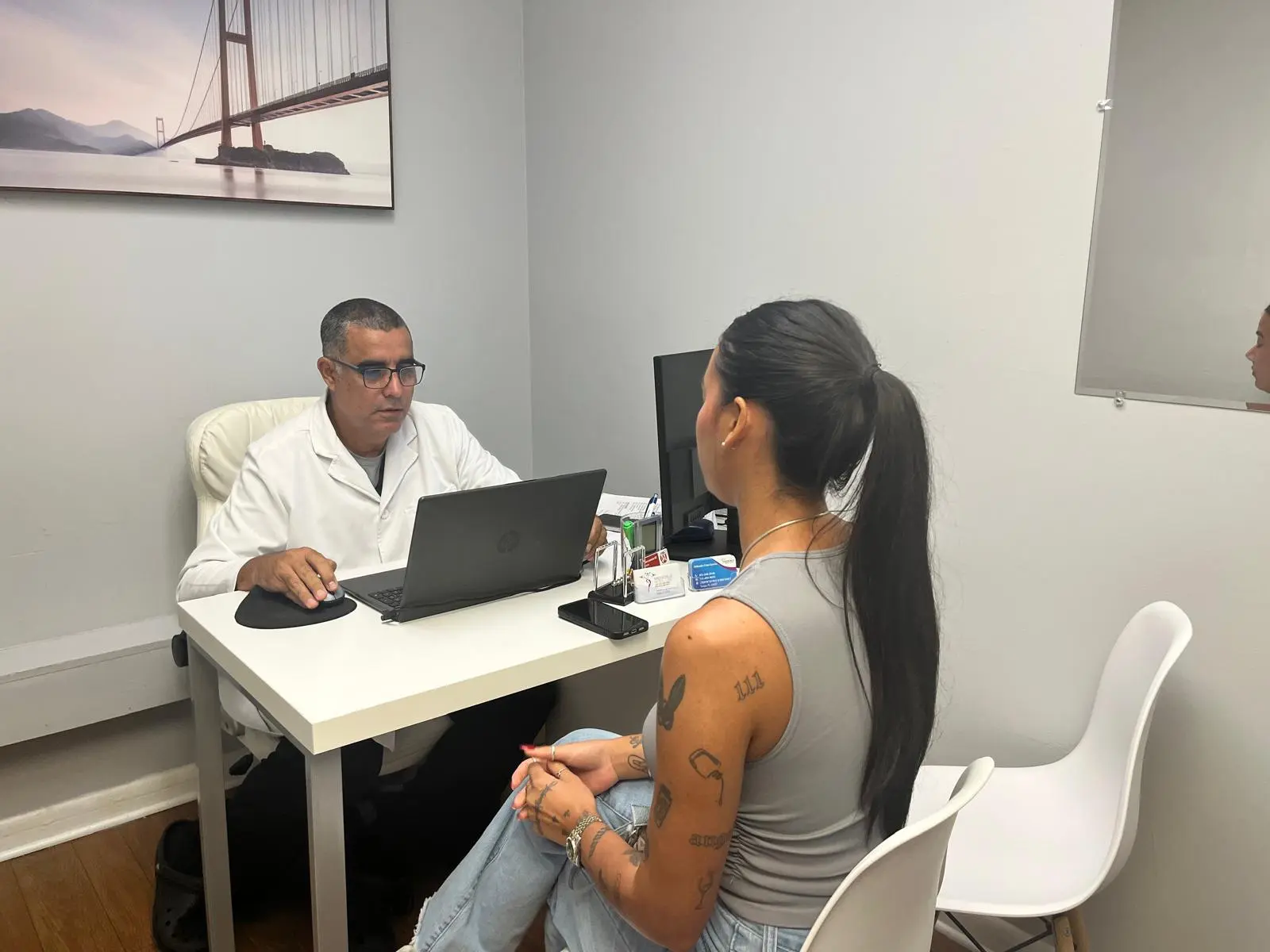
Here’s the thing about a cold. It builds up, peaks, then it’s gone in about a week. Allergies don’t work that way. They drag on for weeks, sometimes months, and they flare up around the same triggers every single time.
We see this every week in our clinic. Someone comes in thinking they’ve had the same cold for two months straight. it’s not a cold at all.
- Symptoms that show up indoors and ease up once you leave the house or office
- A runny nose with clear discharge instead of thick or colored mucus
- Itchy or watery eyes along with the sneezing, not just a stuffy nose
- Symptoms that get worse in spring or fall and repeat year after year
- A cough or congestion that never quite turns into a full-blown illness
Older homes in Seminole Heights and Ybor City with window units and less sealed construction tend to trap more dust and mold indoors, so folks living there sometimes notice their symptoms are worse at home than anywhere else. That pattern alone is worth paying attention to.
Not sure if what you're dealing with counts as a real pattern? That's pretty common. If you can point to a season, a room, or a specific activity where it always gets worse, that's your answer.
Contact Information
- 2309 W Dr Martin L King Jr Blvd Suite 2. Tampa, FL 33607
- (813) 348-3946
- Monday - Friday 8:30 AM - 5:30 PM
- Saturday - Sunday: Closed
- Medical-grade care tailored to your metabolic health
- Comprehensive Lab Evaluations
- Tailored GLP-1 & Prescription Therapy
- Integrated Primary Care Support
- routines built around local heat, humidity, and your actual daily work schedule
- Diagnostic Screenings Compared
Skin Prick Testing vs Blood Testing: Choosing the Right Method
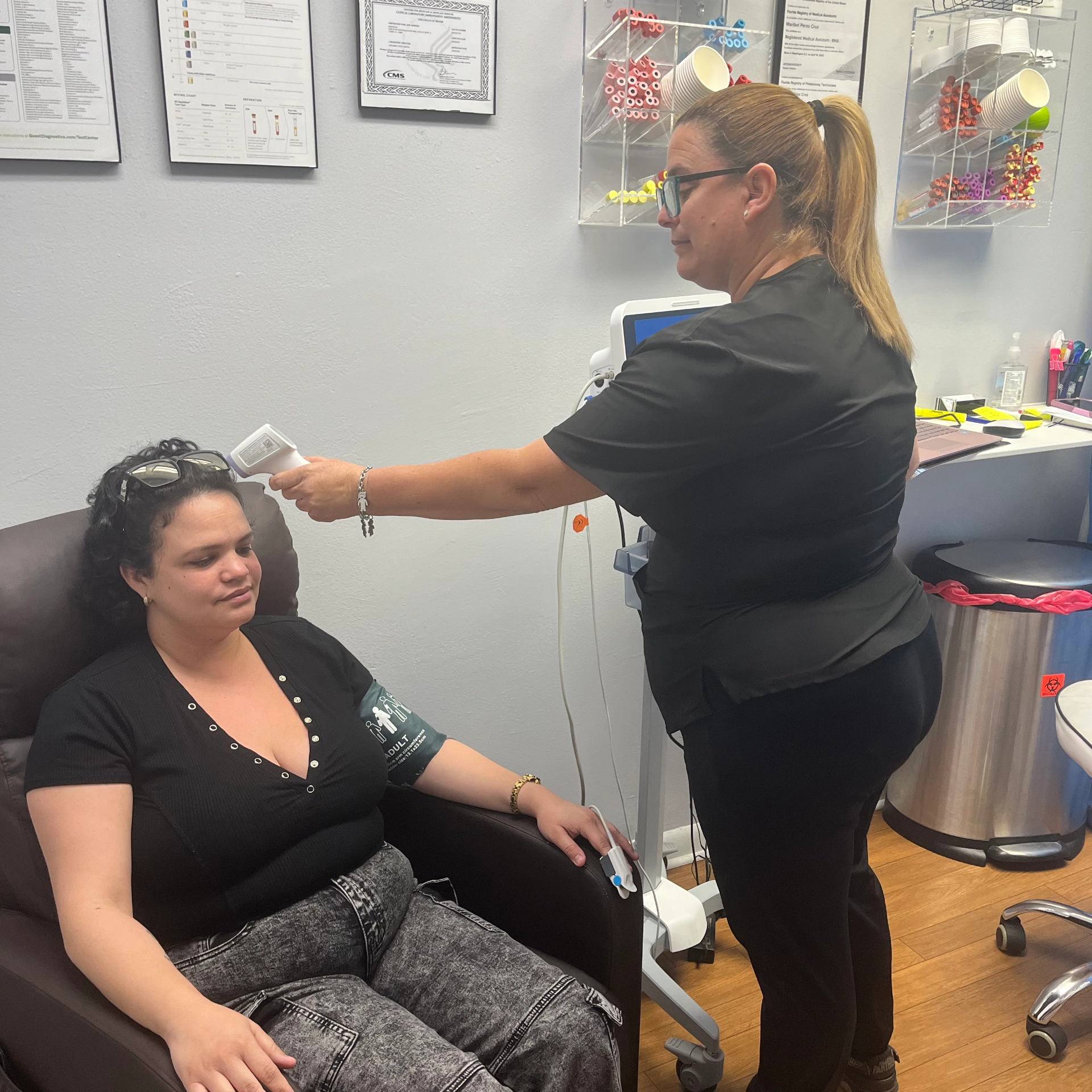
So how do we figure out what’s causing your reactions? Two main tools: a skin prick test and a blood test. Neither one is automatically better. It depends on you.
A skin prick test is quick. We place tiny drops of common allergens on your forearm or back, then make a small scratch under each one. If you’re allergic, a small raised bump shows up within 15 to 20 minutes, right there in front of you. Most people find it uncomfortable at worst, not painful. You get answers the same visit.
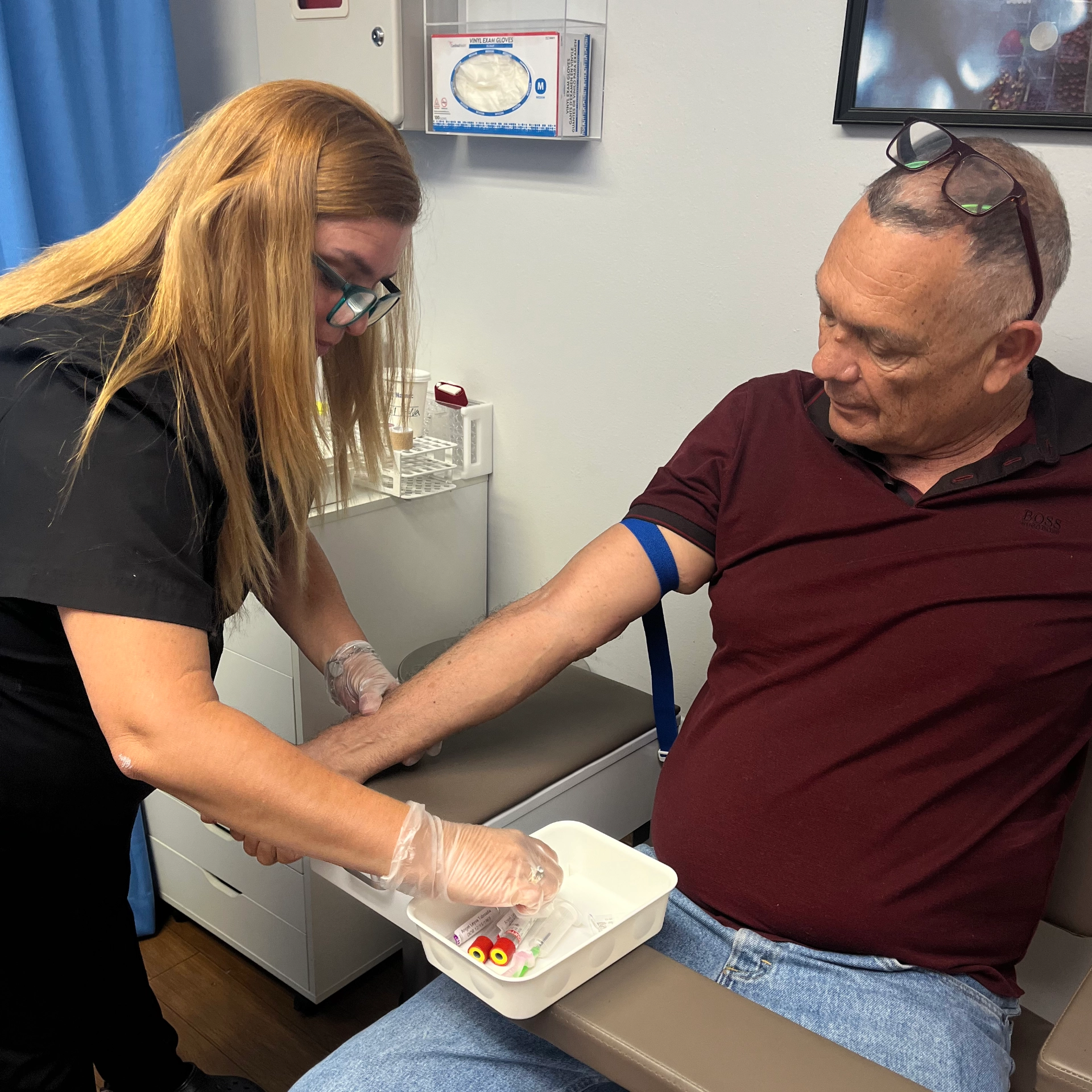
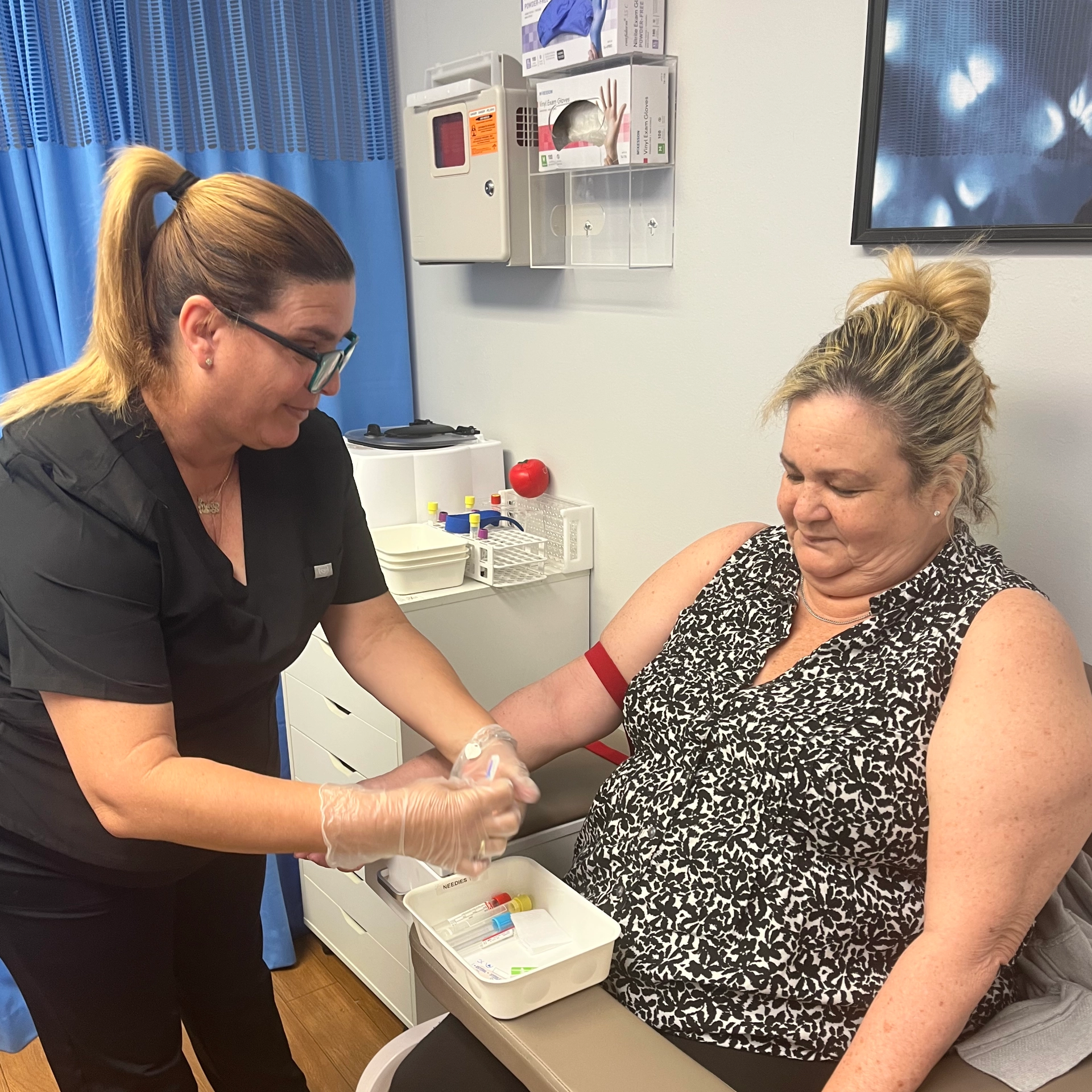
Blood testing works differently. We draw a sample and it gets checked for specific antibodies your body makes when it reacts to something. No bumps, no waiting in the exam room watching your arm. It just takes a bit longer to get results back.
- Skin prick testing: faster results, more allergens checked at once, needs you to be off certain antihistamines first
- Blood testing: better fit if you have skin conditions like eczema or take medications that interfere with skin testing
- Skin prick testing: not ideal for very young children or anyone with severe reaction history
- Blood testing: one draw covers a wide panel without repeated skin pricks
- Alternative Primary Care Screenings
When Allergy Testing Isn't the Right First Step
- Mild, seasonal symptoms with a clear single trigger and good OTC response: try avoidance or medication first
- New or worsening symptoms with no obvious cause: testing is likely the right next step
- Facial swelling, throat tightness, or trouble breathing: go to an emergency room immediately
- Symptoms after a specific food or medication that resolved with no breathing issues: mention it to a physician, but ER is not automatically required
One more honest point worth setting up front: even a thorough allergy panel has limits. A negative result means you did not react to the specific allergens included in that particular test, not that you have no allergies whatsoever. Tampa’s environment includes hundreds of potential triggers, from local mold species thriving in our humidity to specific grass varieties like Bahia that aren’t part of every standard panel. A good allergist will interpret negative results alongside your symptom history rather than treating the test as the final word, and may recommend expanded or repeat testing if your symptoms and results don’t line up.
Not sure what your Allergy testing Tampa project needs? Ask us.
- Pre-Visit Requirements & Medication Guidance
Preparing for Your Allergy Testing Appointment
- Current medications, including over-the-counter drugs, supplements, and prescription treatments that may interfere with skin reactivity
- Any existing skin conditions such as eczema, psoriasis, or dermatographism that could affect skin prick test readings
- Recent antihistamine use, since these medications can suppress skin reactions for several days to a week depending on the drug
- A detailed symptom history, including when reactions occur, how long they last, and any known food, medication, or insect sting triggers
- Family history of allergies, asthma, or eczema, which can help identify patterns relevant to your case
Tampa’s housing stock adds another layer worth discussing during intake. Neighborhoods like Hyde Park, Tampa Heights, and Ybor City feature many homes built decades ago, often with original or aging HVAC systems. Older ductwork can accumulate dust, pet dander, and mold spores over time, especially in Florida’s humid climate where moisture accumulates in attics and crawl spaces. If you live in one of these historic areas, mention your home’s age and HVAC maintenance history to your allergist, since indoor allergen exposure from aging systems can compound outdoor triggers.
Outdoor allergens matter just as much. Tampa’s warm climate supports a long pollen season, with oak trees peaking in late winter and early spring, Bahia grass releasing pollen through summer, and ragweed contributing to fall flare-ups. Noting when your symptoms worsen throughout the year gives your allergist valuable clues about whether indoor or outdoor exposures, or both, are driving your reactions.
Most oral antihistamines need to be stopped five to seven days before skin testing to avoid false negative results. Confirm timing with your provider before your visit.
- Practical Expectations During Evaluation
What Happens During and After Allergy Testing in Tampa
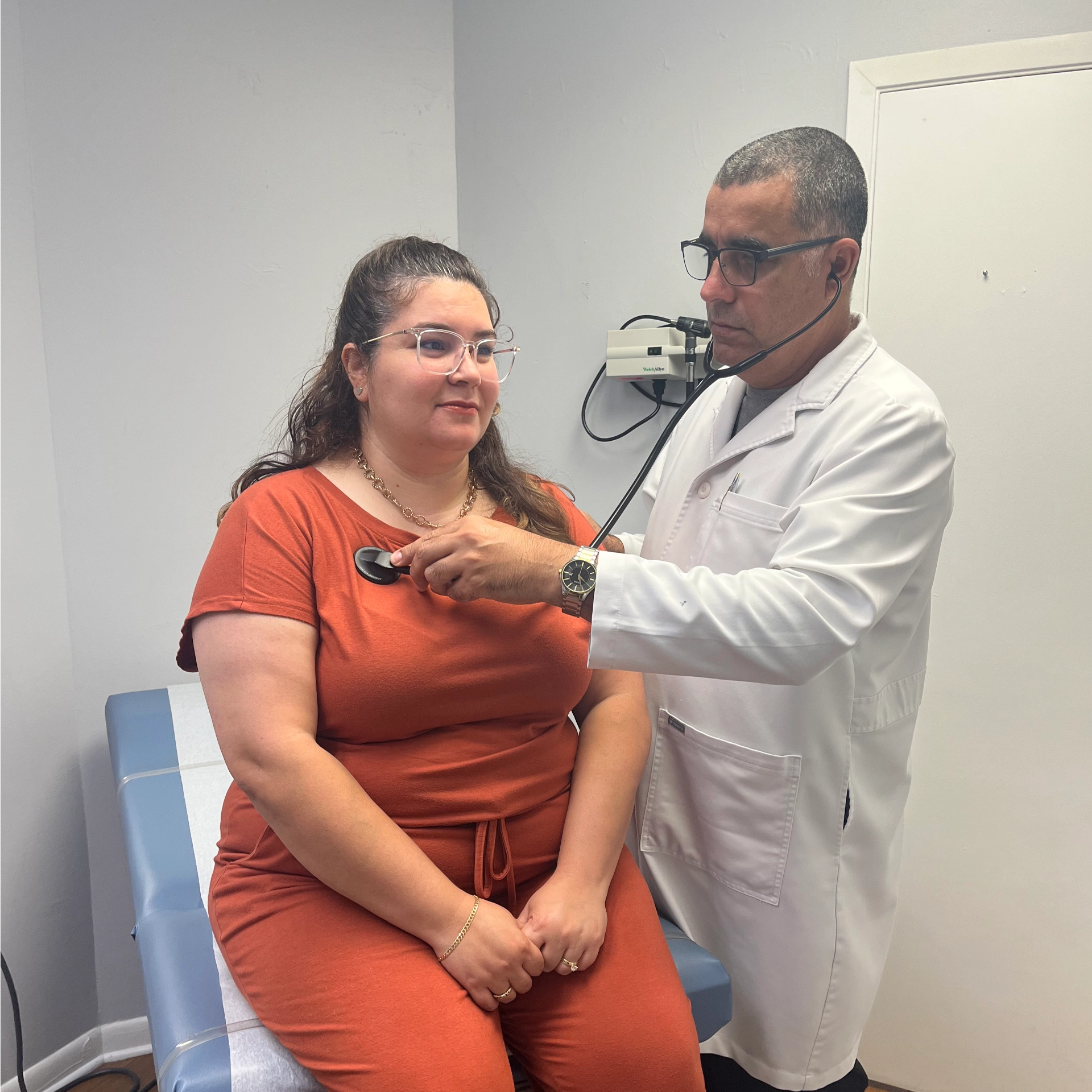
A typical allergy testing visit in Tampa starts well before any needles or skin pricks are involved. The APRN begins with a detailed intake, reviewing your symptom history, triggers you’ve noticed, medications you’re currently taking, and any family history of asthma, eczema, or seasonal allergies. Because Florida allows nurse practitioners to practice autonomously once they meet state certification requirements, this entire evaluation happens in one visit with the APRN directly, without a mandatory referral to an allergist or physician specialist first.
Based on that history, the APRN selects the appropriate test type. Skin prick testing is common for suspected environmental allergens like Tampa’s heavy oak and ragweed pollen, dust mites, mold, and pet dander, since it delivers fast results. Intradermal testing may follow if the prick test is inconclusive but suspicion remains high. For patients on antihistamines that can’t be paused, or those with dermatographism or extensive eczema, blood-based specific IgE testing is used instead, requiring only a standard lab draw.
During skin testing itself, small amounts of diluted allergen extracts are introduced just under the skin’s surface, usually on the forearm or upper back, in a grid pattern that can cover 20 to 40 allergens relevant to the Tampa Bay area. The process takes about 15 to 20 minutes to administer.
- A 15 to 20 minute observation period follows, during which the APRN monitors for wheal-and-flare reactions at each test site
- Reaction size is measured in millimeters and compared against positive and negative control sites
- Patients are watched for signs of a broader reaction, though serious systemic responses to properly diluted extracts are rare
- Any itching or discomfort at test sites is typically temporary and resolves within an hour
Once results are read, the APRN discusses findings the same day, explaining which allergens triggered reactions and how strongly. This leads directly into a treatment conversation covering avoidance strategies specific to Florida’s climate, antihistamine or nasal steroid recommendations, and whether immunotherapy such as allergy shots or sublingual drops makes sense. Blood test results, when used, typically return within several days, prompting a follow-up call or portal message to review numbers and next steps. Either way, Tampa patients walk away from the process with a diagnosis and a plan, generated entirely within the APRN’s scope of practice.
Insurance Options for Allergy Testing in Tampa









- Allergy Evaluation Estimate
Request Your Free Estimate for Allergy Testing Today
2309 W Dr Martin Luther King Jr Blvd STE 2, Tampa, FL 33607
info@medicruztampa.com medicruz.tampa@gmail.com
- Monday - Friday 8:30 AM - 5:30 PM
- Saturday - Sunday: Closed
- Neighborhood Access & Location
Serving Tampa Families and Surrounding Neighborhoods
Located at 2309 W Dr Martin Luther King Jr Blvd Ste 2, our clinic offers convenient access for patients across Tampa, including Carver City–Lincoln Gardens, Tampa Heights, Seminole Heights, Ybor City, Hyde Park, and Davis Islands.
- Carver City–Lincoln Gardens
- MacFarlane Park
- Old West Tampa
- West River
- Tampa Heights
- Seminole Heights
- Tampa
- Hyde Park
- Ybor City
- Davis Islands
- Downtown Tampa
- Channel District
If you are an adult, senior, or family member in Tampa looking for comprehensive Allergy Testing, visit our clinic or call today to schedule your consultation.
Diagnostic Details & Clarifications
Common questions about Allergy testing Tampa